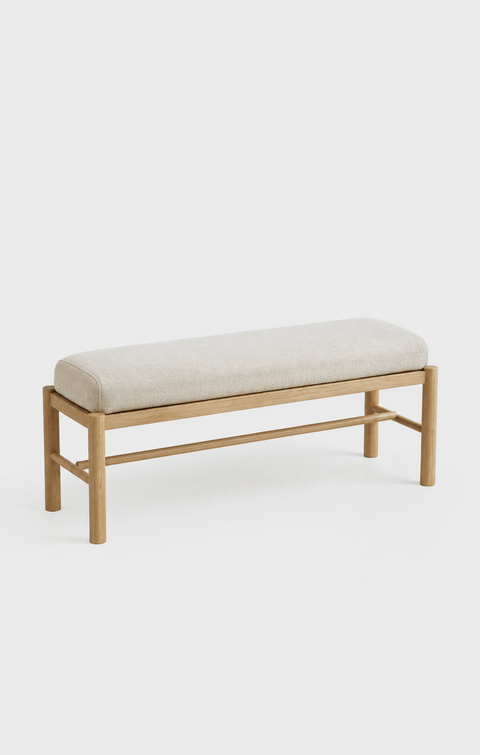

Cared for properly, solid oak furniture can last for generations — and a quality lacquered finish makes that easy. The protective layer seals the wood against moisture and everyday wear, so caring for it is simple: regular dusting, the occasional gentle wipe, and a few sensible habits. This guide covers everything you need to keep lacquered oak looking beautiful for decades.
Every FUKUI piece is finished with a protective lacquer that sits on the surface of the wood, guarding the grain while leaving its natural character on full display. That finish does most of the hard work for you — here is how to look after it.
Everyday cleaning
Routine care takes seconds:
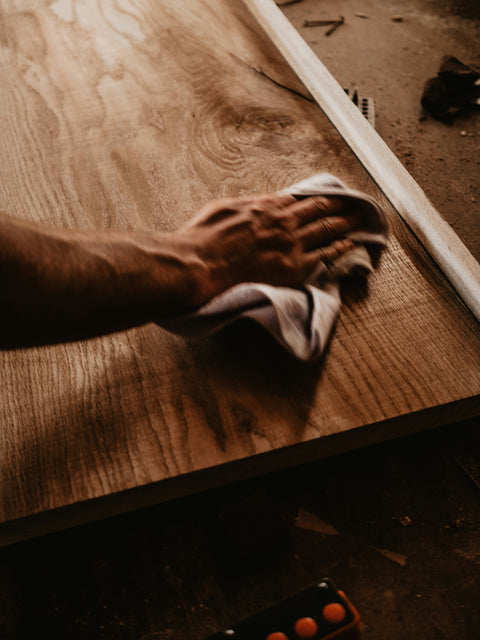
- Dust regularly with a soft, dry or slightly damp cloth, following the direction of the grain.
- For a deeper clean, use a cloth wrung out in warm water with a tiny amount of mild soap. Wipe gently, then dry immediately with a second clean cloth.
- Never let water stand on the surface, even though the lacquer is water-resistant — pooled liquid left for hours is still best avoided.
What to avoid matters just as much:
- All-purpose sprays, bleach, ammonia, and harsh chemical cleaners — they can dull or damage the lacquer.
- Silicone-based furniture polishes, which build up and leave a hazy residue over time.
- Abrasive sponges, scouring pads, or anything that could scratch the protective layer.
- Soaking-wet cloths — damp is enough.
Lacquered oak does not need oiling, waxing, or polishing. The finish is complete as it is, and adding products on top usually does more harm than good.
Dealing with spills and stains
This is where a lacquered finish really earns its keep. Because the protective layer sits on top of the wood, spills stay on the surface rather than soaking in — so they are easy to deal with.
Blot the spill promptly with a soft, absorbent cloth rather than wiping, which can spread it. For sticky residue, a barely-damp cloth with a touch of mild soap will lift it; dry the surface afterwards. Even so, it is worth using coasters under cups and glasses and mats under anything hot, wet, or oily — good habits keep the finish flawless for longer.
Protecting oak over the long term
Sunlight
Like all natural wood, oak reacts to light over time. Even beneath a clear lacquer, prolonged direct sunlight can gradually shift the tone — usually a gentle, even mellowing. To keep the colour developing evenly, rotate accessories on the surface from time to time so one area doesn’t age differently from the rest, and avoid placing pieces in harsh, all-day direct sun.
Humidity and heat
Solid wood lives and breathes: it expands slightly in humid conditions and contracts in dry ones, regardless of finish. A stable indoor environment — ideally around 40–60% humidity — keeps it happy. Keep oak away from direct heat sources such as radiators and underfloor-heating hot spots, which can stress both the wood and the finish over time.
Scratches and everyday wear
The simplest protection is prevention: lift objects rather than dragging them across the surface, and use felt pads under anything that sits permanently on the wood. Light surface marks can sometimes be reduced with a dedicated lacquer-safe touch-up product. Deeper scratches that reach the wood are best assessed by a professional, as a lacquered surface cannot simply be sanded and re-oiled at home — so careful everyday handling is the best policy.
Quick do’s and don’ts
- Do dust regularly and clean along the grain.
- Do wipe up spills promptly and dry the surface.
- Do use coasters, mats, and felt pads.
- Do keep a stable indoor humidity and temperature.
- Don’t use harsh chemicals, bleach, or silicone polishes.
- Don’t oil or wax a lacquered surface — it isn’t needed.
- Don’t let water stand on the surface or place oak in harsh direct sun or against direct heat.
Built to last, by design
The whole point of a protective lacquer is longevity: it keeps solid oak looking its best with minimal effort, year after year, while the wood’s natural grain and warmth remain on show. With nothing more than regular dusting and the occasional gentle clean, a well-made oak piece will quietly serve your home for decades.
New to the calm, natural aesthetic that oak suits so well? Read our guide to what Japandi style is.
At FUKUI, we craft solid oak furniture by hand in Poland — no veneers, no shortcuts — finished to become a lasting part of your home. Explore the full range in the shop, or learn more about how we work on our About page.
Frequently asked questions
How do I clean lacquered oak furniture?
Dust regularly with a soft cloth along the grain. For a deeper clean, wipe with a cloth wrung out in warm water with a little mild soap, then dry immediately. Avoid harsh chemicals, silicone polishes, and standing water.
Does lacquered oak furniture need oiling or waxing?
No. A lacquered finish is complete and protective on its own. Oiling or waxing is unnecessary and can leave a hazy residue on the surface.
Can I use furniture polish on lacquered oak?
Avoid silicone-based sprays and polishes, which build up over time and dull the finish. Regular dusting and an occasional damp wipe are all that’s needed.
Does lacquered oak change colour over time?
Oak can mellow gently with age and light exposure, even beneath a clear lacquer. The effect is usually subtle and even — part of the natural character of solid wood.
How do I remove a water mark from lacquered oak?
Because the lacquer sits on the surface, most spills wipe away easily before they can mark the wood. Always blot and dry spills promptly to keep the finish pristine.